DU3- Underground heritage and European tourist caves.
DU3- Underground heritage and European tourist caves.
10 from A to E terms
The following terms are included in the first chapter of the “GUIDE-INTERPRETER OF GEOTURISM” manual, created through EU ERASMUS Framework. Project name: GEOTUR: Validation and recognition of two competence units in geological tourism Project no. 2018-1-ES01-KA202-050397
- Allochems
- It refers to any type of carbonate particle with high organization and complexity with recognisable "grains" in carbonate rocks.
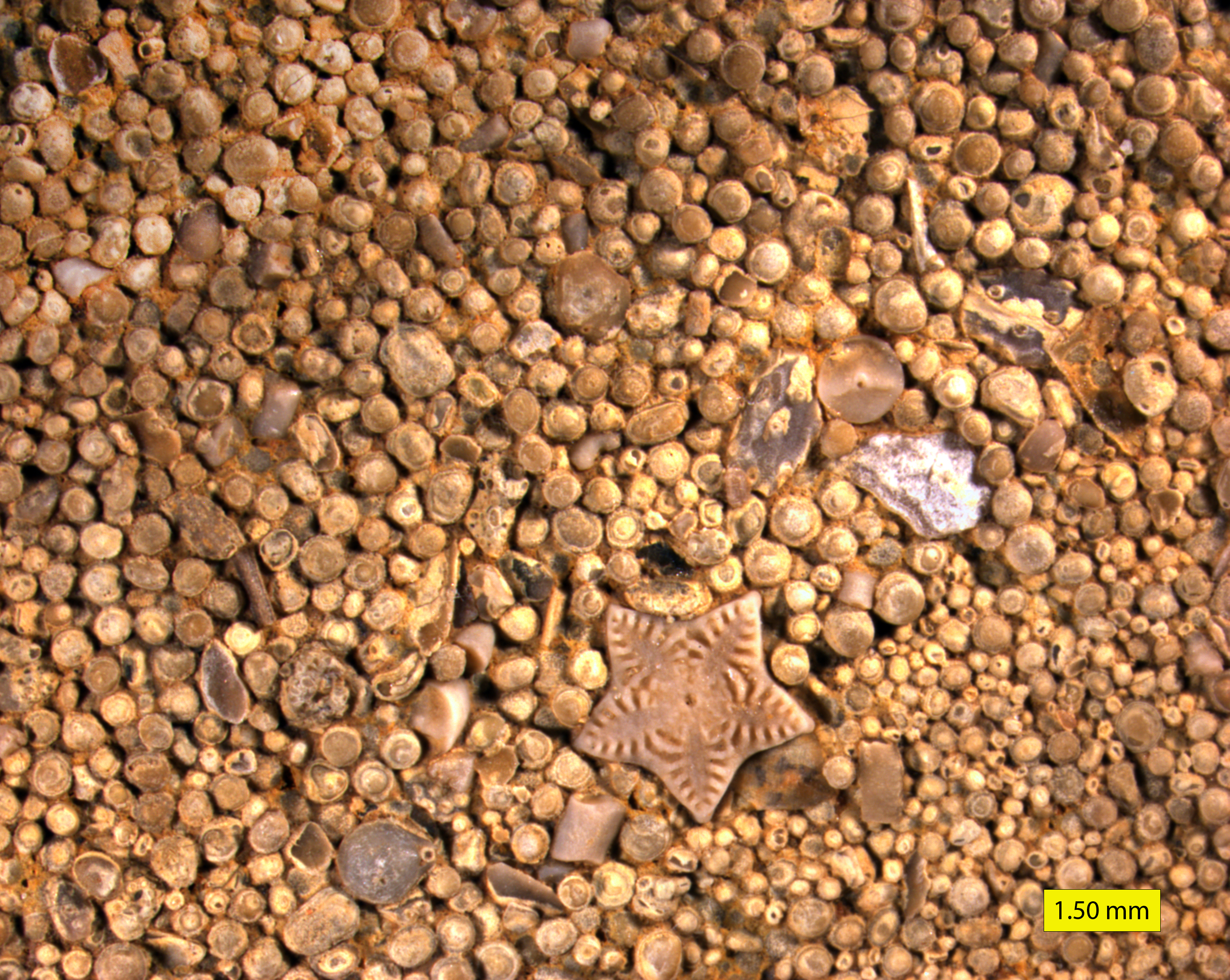
- Bioclast
- Bioclastic sediments is a term used to describe carbonate rich sediments consisting of fragments/shells of dead organisms

- CaCO3
- Calcium carbonate is a chemical compound with the formula CaCO3. It is a common substance found in rocks as the minerals calcite and aragonite (most notably as limestone, which is a type of sedimentary rock consisting mainly of calcite) and is the main component of eggs, snail shells, seashells and pearls.

- Carbonate rocks
- Carbonate rocks are a class of sedimentary rocks composed primarily of carbonate minerals. The two major types are limestone, which is composed of calcite or aragonite (different crystal forms of CaCO3), and dolomite rock (also known as dolostone), which is composed of mineral dolomite (CaMg(CO3)2).

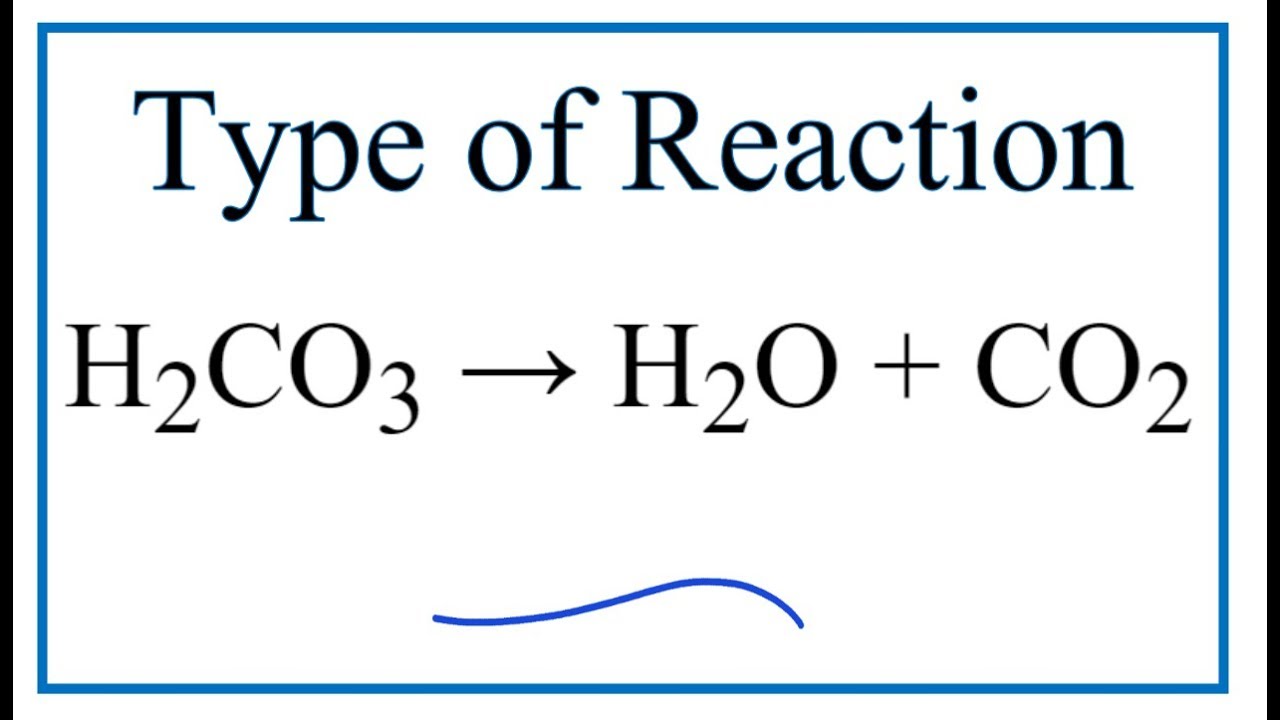
- Carbonic acid(H2CO3)
- Carbonic acid (H2CO3) is a molecule right at the interface between organic and inorganic chemistry. In fact, according to some definitions it is an organic molecule, while according to others it is an inorganic molecule
- Cenote
- A cenote is a deep, water-filled sinkhole in limestone that is created when the roof of an underground cavern collapses.

- Columns or stalagnates
- A Stalagnate or pillar or sinter column is a column from the ceiling to the floor of a limestone cave. It is formed when a stalactite and a stalagmite meet or when a stalactite reaches the floor of the cave. Stalagnates are the late stage of stalactites and stalagmites.

- Dolines
- circular shaped depressions with sloping walls which can be originated by both erosion and land subsidence, are the main karst formations

- Draperies
- Sheet-like speleothems suspended from cavities ceiling. They have been deve.loped from calcium carbonate deposits over sloping cave ́s ceiling when drops slipped, an then fell

- Evaporites
- Forming by salt deposits on shallow basins where it has occurred intense evaporation. Halite and gypsum are the most common. Both have high solubility so cave formation is quite quick. Likewise, their ceiling usually collapses because it is less strong than carbonate rocks ceiling.
